The Tottenham Hotspur Football Club did not deliver. Overall, the third round of the FA Cup has. Exciting weekend of matches.
The Tottenham Hotspur Football Club did not deliver. Overall, the third round of the FA Cup has. Exciting weekend of matches.
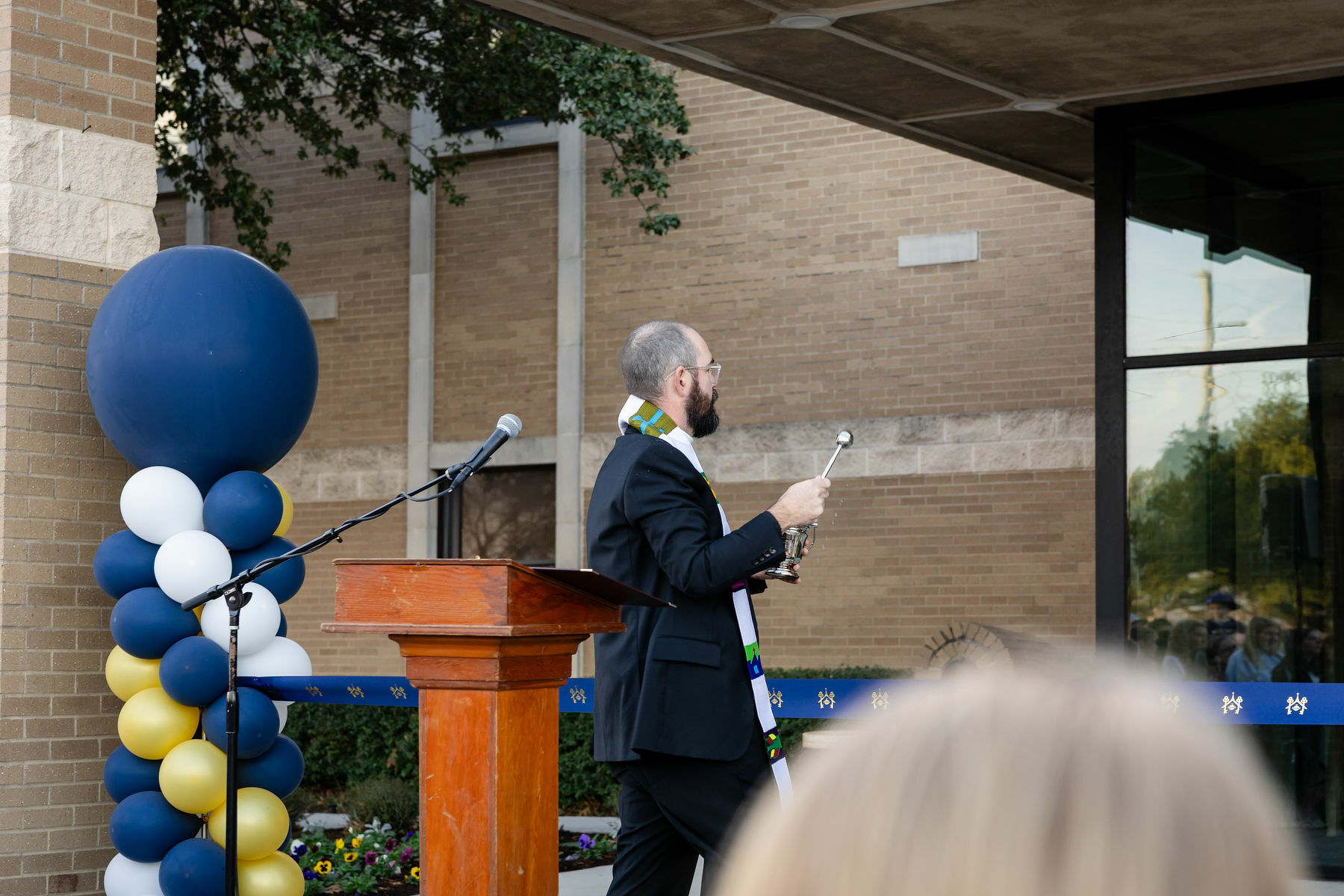
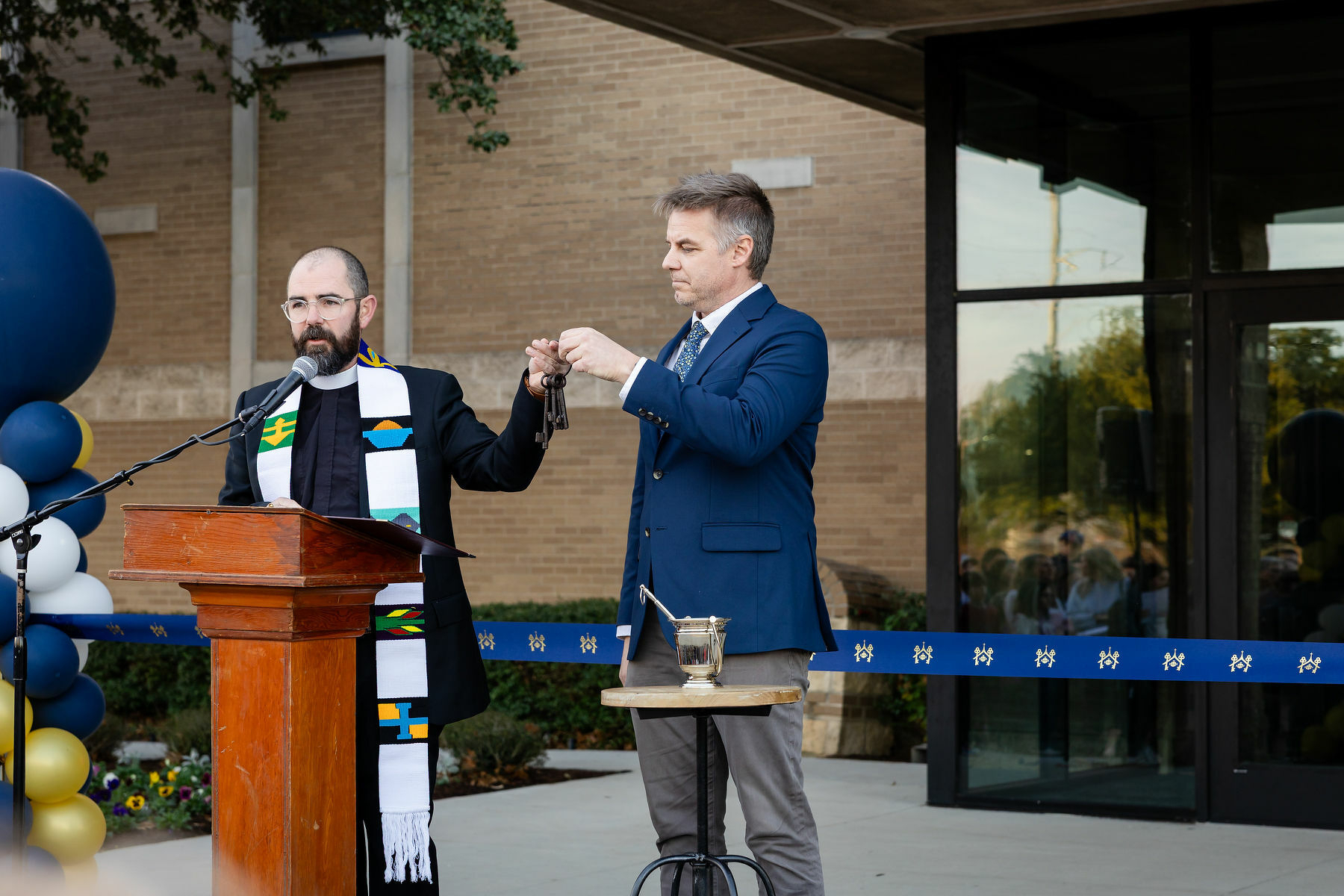
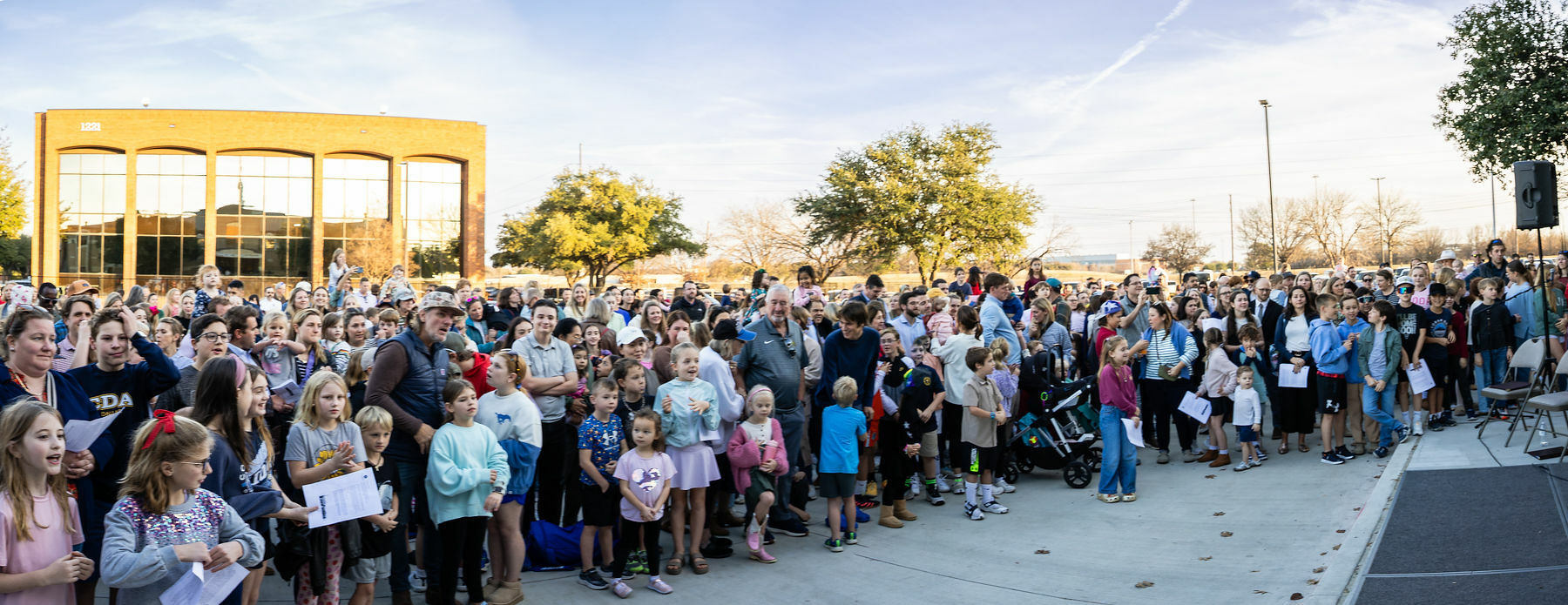
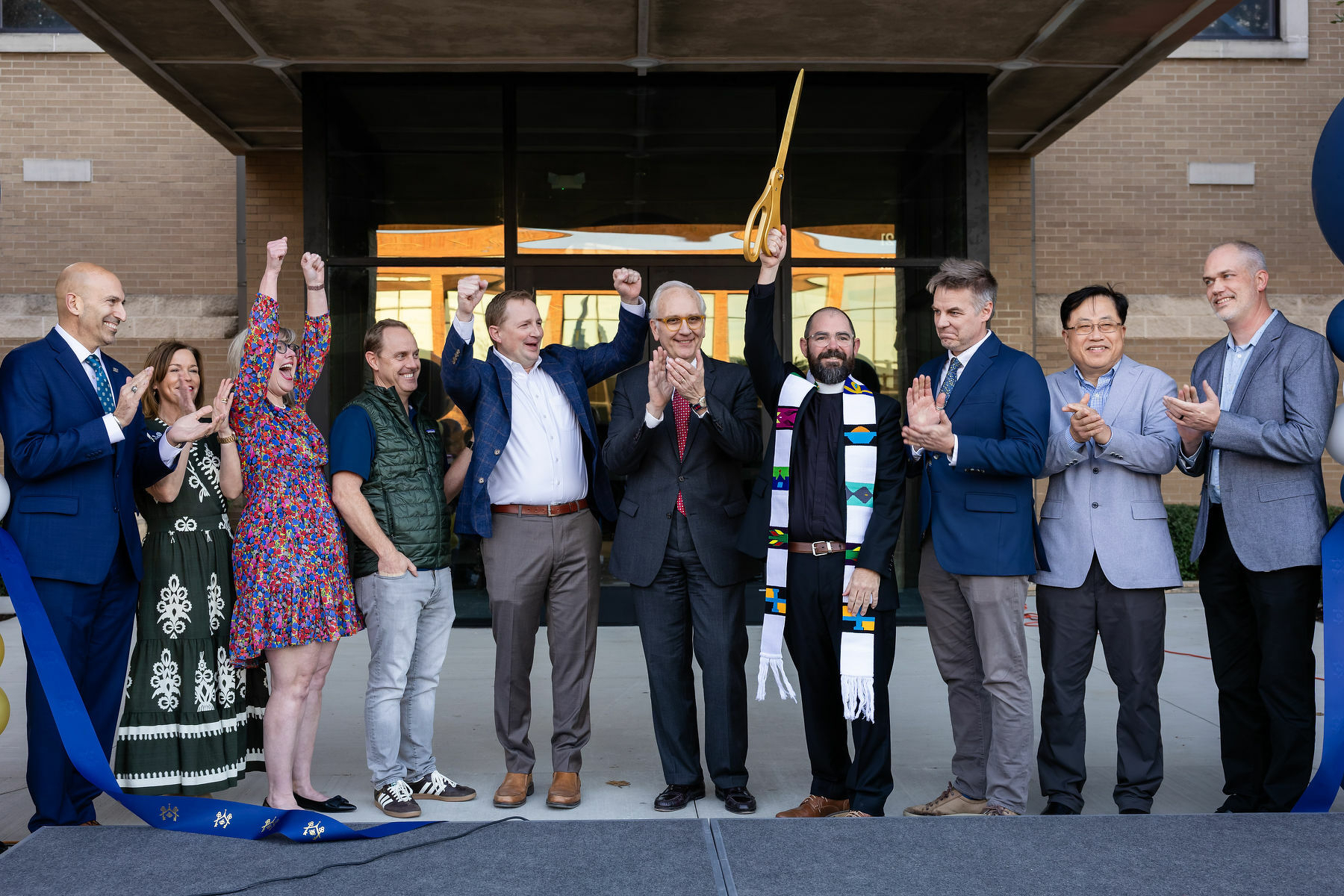
This was a wonderful week for Coram Deo Academy of Dallas. It started with a ceremony in which we Blessed a New School Building, Granted the Keys, and Cut the Ribbon. And then the week continued with perhaps the most elaborate of all ceremonies: the Running of the First Carline.
For the seven years it took to get here, I will echo the words of Niggle:
Things might have been different, but they could not have been better.
Praise God.
It was a solid away win today for Spurs against a good team. Two goals called back for being fractionally offside, and a late near-goal or two. Without Xavi and Romero (suspended). Spurs maintained great offensive pressure through the final whistle, even while holding on to a slim 1-0 lead. ⚽️
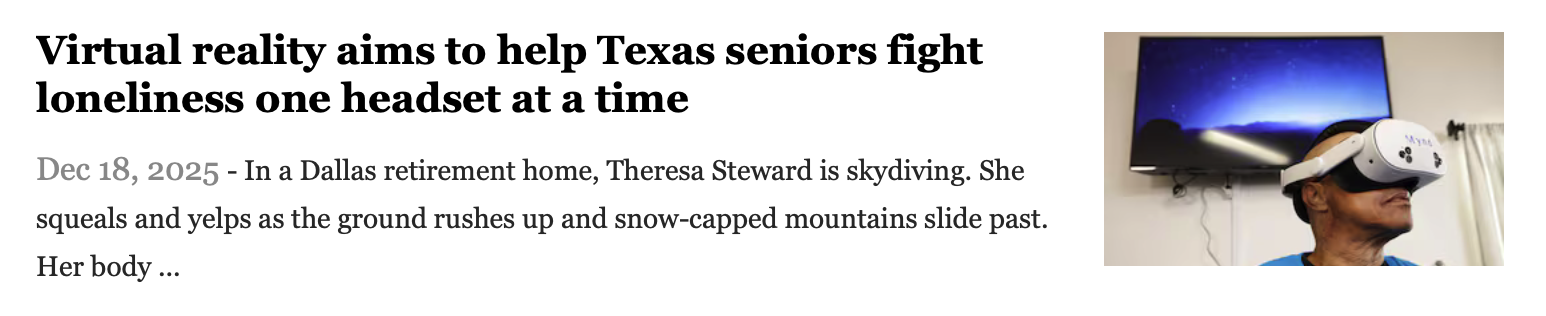
One of the marvels of our time is that it can be hard to tell whether you’re looking at a new Black Mirror episode or a headline.
The gifts of a classical education are myriad. One of them is the ability to read and understand things on the internet like this cheeky disputatio in which Aquinas reviews Forrest Frank.
I don’t recall seeing this on any of the eschatological charts of my childhood.

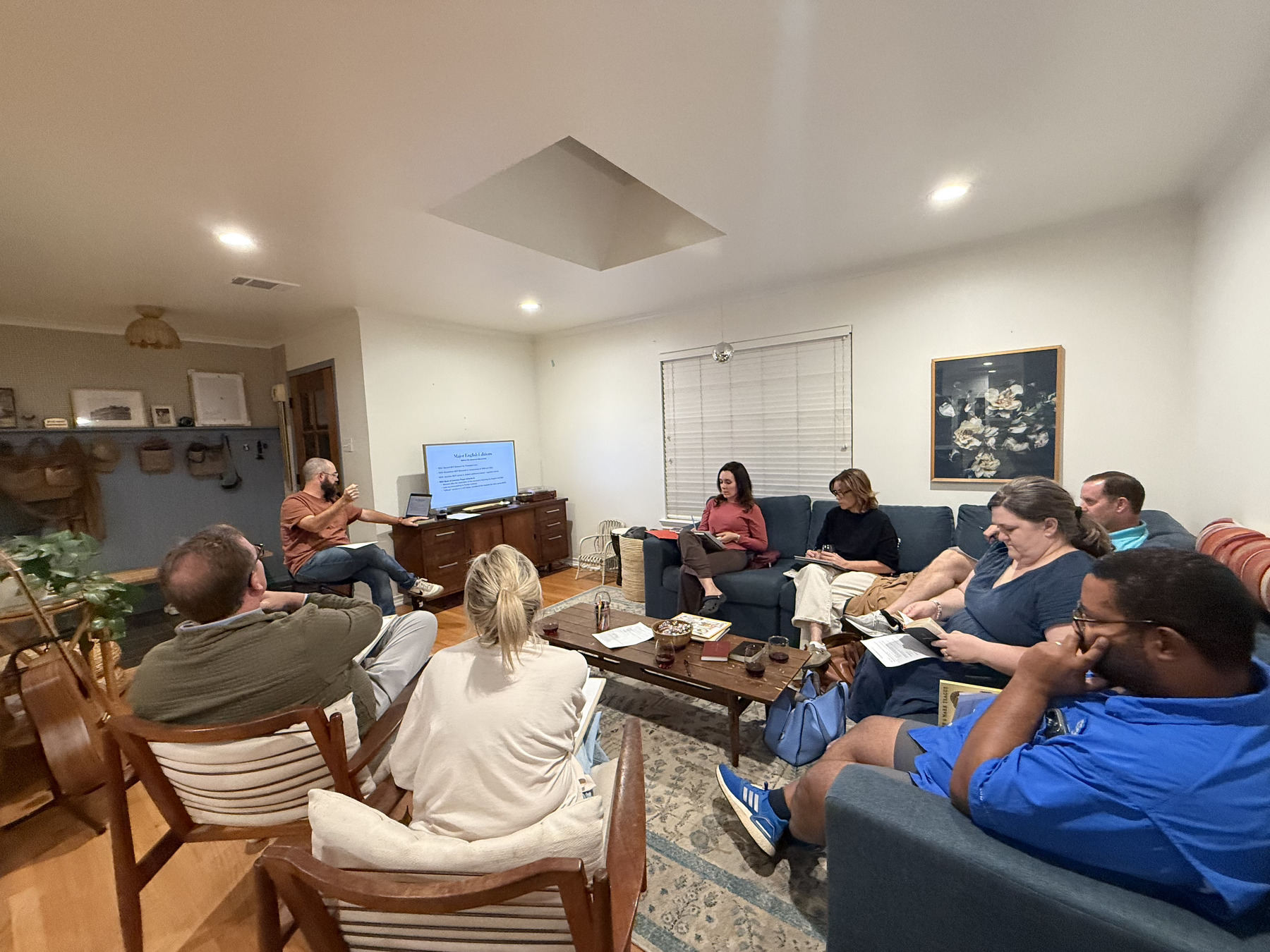
This semester I started teaching a class out of my living room. For Spring 2026, I am offering two in-person courses, with one meeting virtually as well. Read more about why, and consider registering to join us!
The Premier League script writers strike again with an Eze hat trick salt-in-wound display against Spurs. ⚽️
If you are going to qualify for the World Cup for the first time in 27 years, this is the way to do it. This is going to be an exciting summer of soccer.
There’s a personal satisfaction in grimly pointing out the flaws in a system, but sustainable change, Petrini came to believe, requires providing people with an enjoyable and life-affirming alternative. Petrini didn’t simply write a sharply worded op-ed about the corrupted forces of McDonald’s, he instead promoted an appealing new relationship with food that would make fast food seem self-evidently vulgar.
Re: Carlo Petrini’s Slow Food movement that arose, in part, to a 1986 attempt by McDonald’s to open a restaurant in the Piazza di Spagna in Rome. From Cal Newport’s Slow Productivity.
Wipf & Stock is running a promotion throughout the AAR/SBL conferences, whether you are attending or not.
This means that From Law to Logos: Reading St. Paul’s Epistle to the Galatians is 50% off with free shipping this week. Use the code: CONFSHIP.
Education is not properly an industry, and its proper use is not to serve industries, either by job-training or by industry-subsidized research. Its proper use is to enable citizens to live lives that are economically, politically, socially, and culturally responsible… A proper education enables young people to put their lives in order, which means knowing what things are more important than other things; it means putting first things first.
From a Wendell Berry essay published in the wake of 9/11: Thoughts in the Presence of Fear
Yes, and joy was just a thing that he was raised on; Love was just a way to live and die.
May this, from John Denver’s Matthew, be true of our children’s experience!
There’s a deeply human satisfaction to retreating to an exotic location and wrestling with your own mind, scratching a record of your battle on paper. The innovations and insights produced by this long thinking are deeper and more subversive than the artificially cheery bullet points of a chatbot.
This is the way.
At my worst, I do imagine—with unholy frustration—that the best scriptwriters in the world could not have come up with a more dramatic storyline than we have encountered in the Anglican Communion in the past two decades. It would be hard to imagine a writer developing a script in which the chief actors of the Communion could have acted more blatantly against my expectations and hopes.
From my essay published today by The Living Church, in which I share how turning to three old texts—instead of constantly searching for news updates and analysis—has been an encouraging and edifying practice.
Breathe with unconditional breath
the unconditioned air.
Shun electric wire.
Communicate slowly. Live
a three-dimensioned life;
stay away from screens.
Stay away from anything
that obscures the place it is in.
There are no unsacred places;
there are only sacred places
and desecrated places.
The second stanza of Wendell Berry’s How to Be a Poet. Good words to have in mind the night I return home from a work trip and before heading out to a Father/Son campout this weekend.
I posted a brief update to my Soccer Diary today with some thoughts about the beginning of Tottenham’s season and and end of the FC Dallas playoff run.
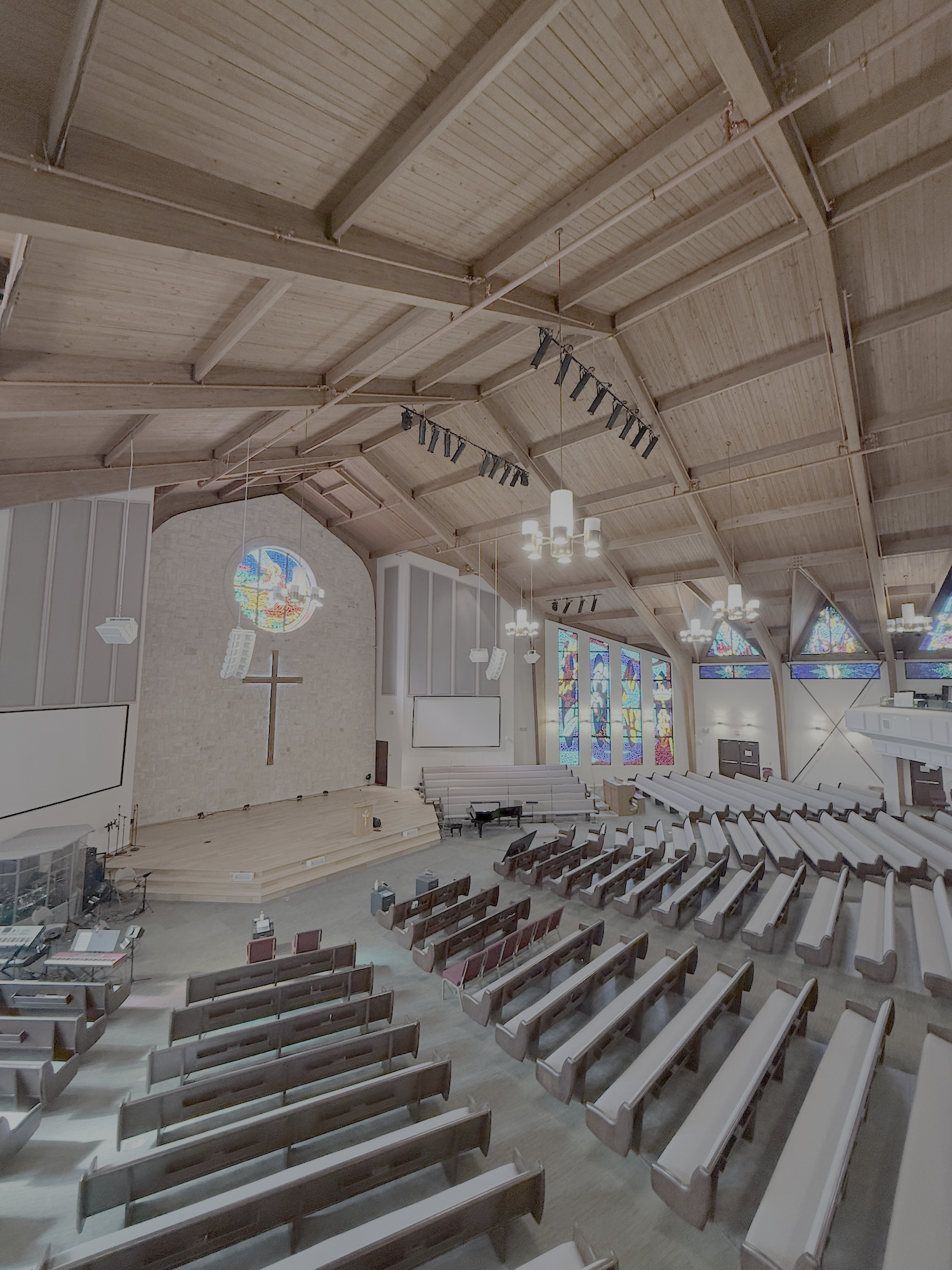
If you have to install a fire sprinkler system in a school’s sanctuary—and we did—you could do a lot worse. Very grateful for the careful work done to meet code without sacrificing beauty.
I would love to see Ange wind up at LAFC with Son.
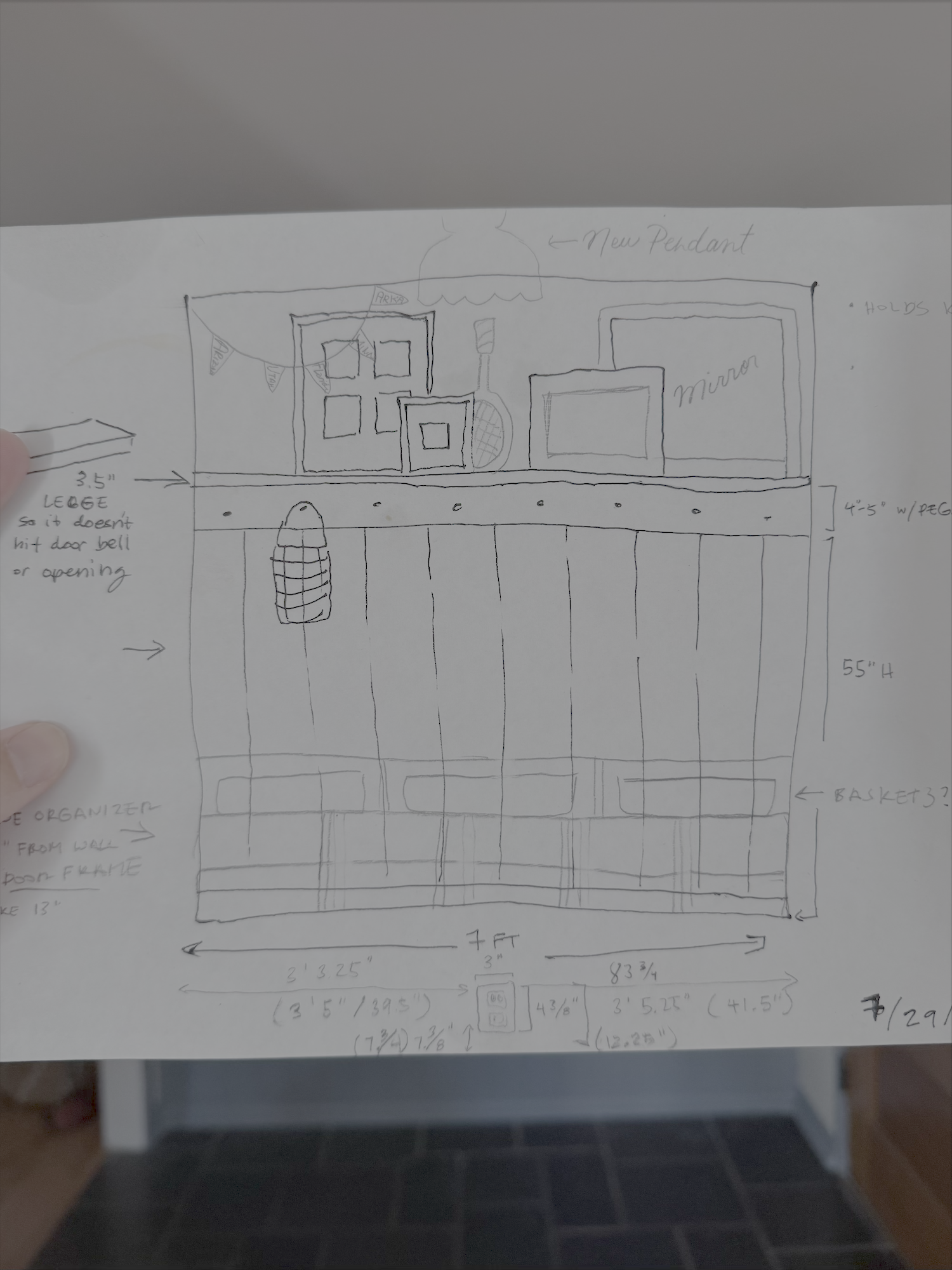
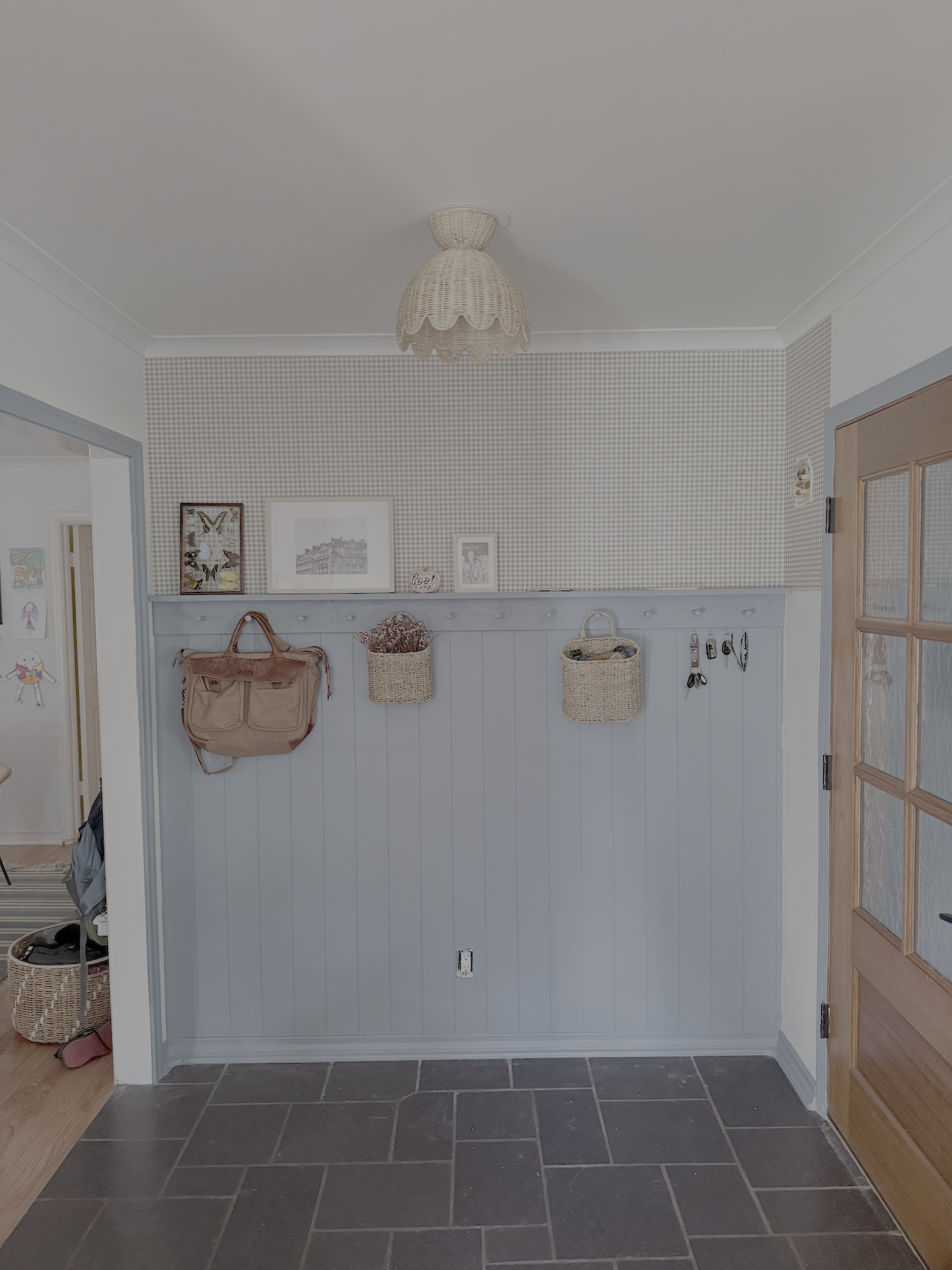
We have made a lot of progress the last two weeks on our latest “Viv draws it and we build it together on a budget” project: an increasingly attractive and functional entryway to the house.