This upcoming Sunday’s Lectionary: An unlikely candidate for grace—as one must be to receive it!—in the OT (Naaman) followed by an unlikely response to grace from a Samaritan leper who turned back to thank our Lord. And an epistle reading that reminds us that “if we are faithless, he remains faithful.”
They don’t make American soccer kits like they used to.
I am very happy to share that I have signed an agreement with CiRCE Institute to publish Rhythms of Habit in April/May 2026!
I am excited to work with a publisher that focuses on the classical Christian movement, and am looking forward to partnering with them in helping schools adopt a framework of virtues as moral muscles, habits as exercises aimed at strengthening specific moral muscles, and the church calendar as an annual prescriptions of habits that can be adopted in order to holistically strengthen the moral muscles we need to become more like Christ year after year.
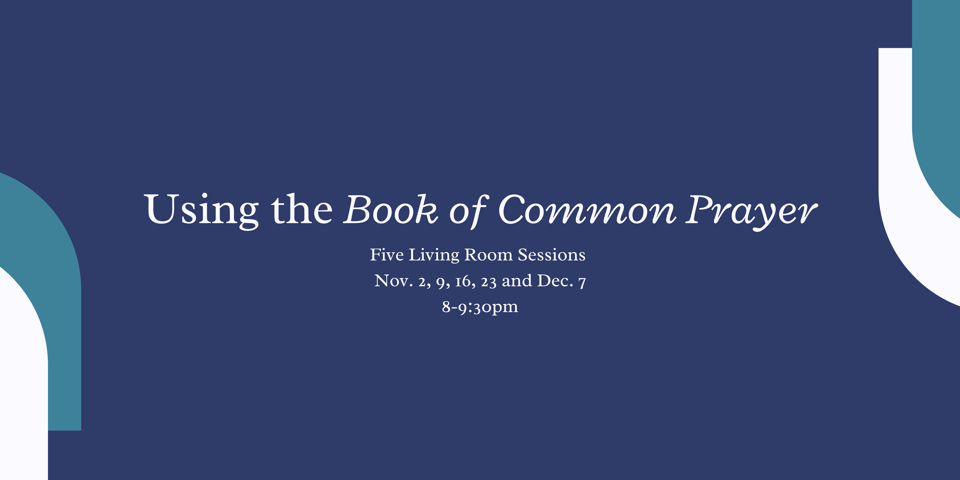
Dallas Area Friends: I am teaching class this Fall—in our living room—on the Book of Common Prayer.
The BCP is meant to sustain God’s people all throughout their day and all throughout their life. A growing number of Christians from a variety of traditions and churches are drawn to this rooted, beautiful text, but few have had a solid introduction to its history and purpose or an overview of how to actually navigate this rich resource. Let’s fix this together!
Meets Sunday evenings (Nov. 2, 9, 16, 23 and Dec. 7) from 8-9:30pm in our home. $100 commitment for the course; register here!
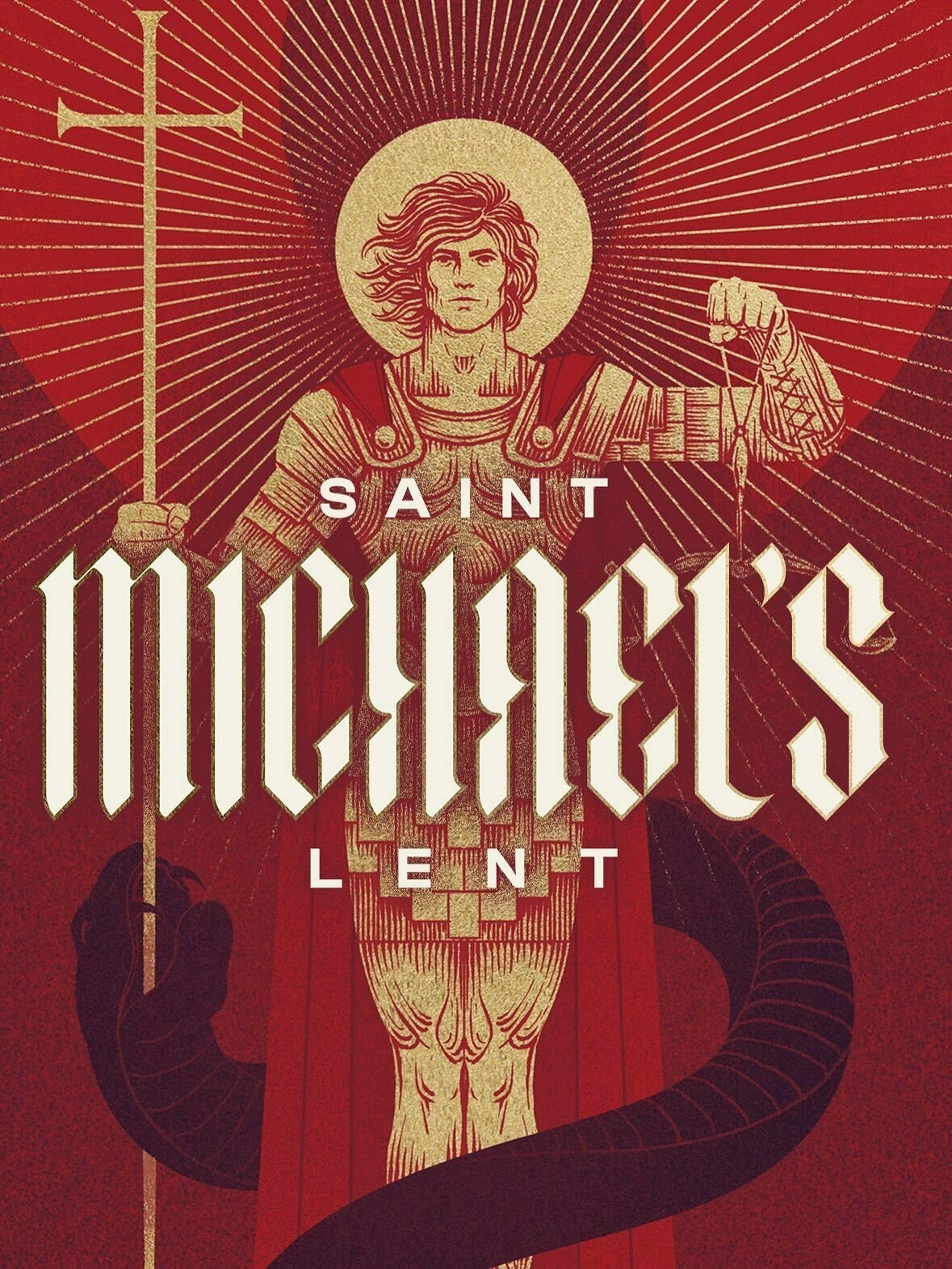
I am checking out of reading any form of social media for St. Michael’s Lent this season. I will still post notes here, but won’t be engaging until the end of September. The folks at Exodus 90 have put together an excellent guide to this ancient practice, for the curious.
Heading in to the 25-26 Premier League season, my thoughts on the Spurs are summed up as “could be better; could be worse.”
Given that my favorite coach in recent memory and favorite player of all time left the team this summer, I consider this a decent place to be heading into opening weekend.
Given all this past summer has entailed, if you had told me before the Super Cup that we would lose to PSG in penalties, I would be thrilled.
Curation to me is really a good word. It’s become overused on the internet to the point that it seems to just mean picking something — like you can “curate” your Instagram page or have a “curated” skincare routine. But human curation goes back to the real meaning of the word, which literally comes from ancient Roman urbanism where there were curators who took care of certain parts of the city, like the Colosseum games or the river.
Grant to us, Lord, we pray, the spirit to think and do always
those things that are right, that we, who cannot exist without
you, may by you be enabled to live according to your will; Amen.
O God, who on the holy mount didst reveal to chosen witnesses thy well-beloved Son, wonderfully transfigured, in raiment white and glistening: Mercifully grant that we, being delivered from the disquietude of this world, may by faith behold the King in his beauty; who with thee, O Father, andthee, O Holy Ghost, liveth and reigneth, one God, worldwithout end. Amen.
I am interested in hearing feedback on the basic outline of an essay (below) as I continue to work on it. What would you add or modify? Is this directionally sound?
What questions might occupy the mind of the church in the century to come?
The church will need to define what it means to be a human person more explicitly than previous generations would have imagined. Others smarter and wiser than me have considered this the potential third major defining (literally) moment in Christian history: (1) the 4th and 5th century addressing of Christological and Trinitarian definitions, (2) the 16th century addressing of those of Salvation, and now (3) the 21st century addressing of questions of human personhood.
“The future of the Church, once again as always, will be reshaped by saints. Those whose minds probe deeper than the slogans of the day, who see more than others see, because their lives embrace a wider reality.”
Joseph Ratzinger
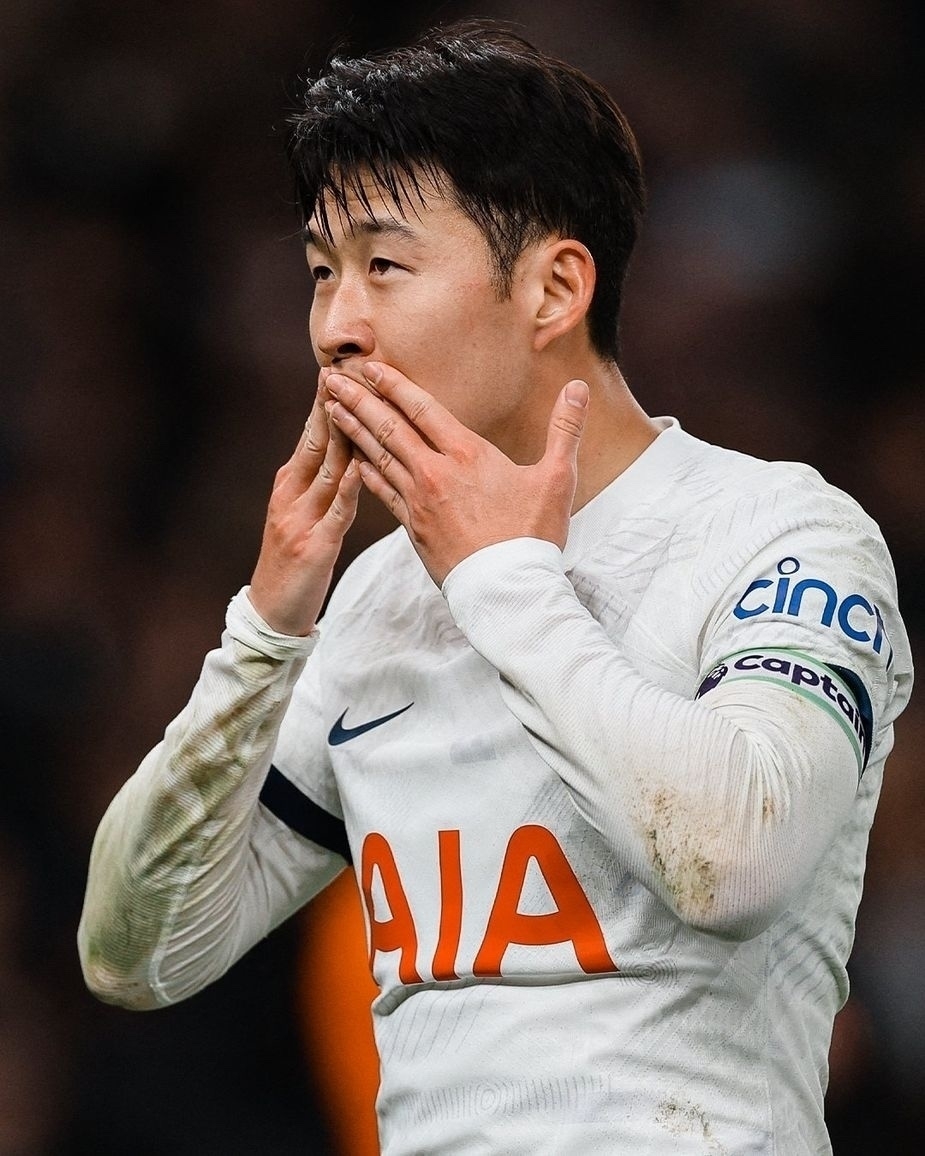
End of an era for Tottenham Hotspur. Son is our family’s favorite player by far for many reasons, not least of which are his kindness and the fact that he is Asian.
With the loss of Ange and Son, Spurs are losing two wonderful human persons this summer.
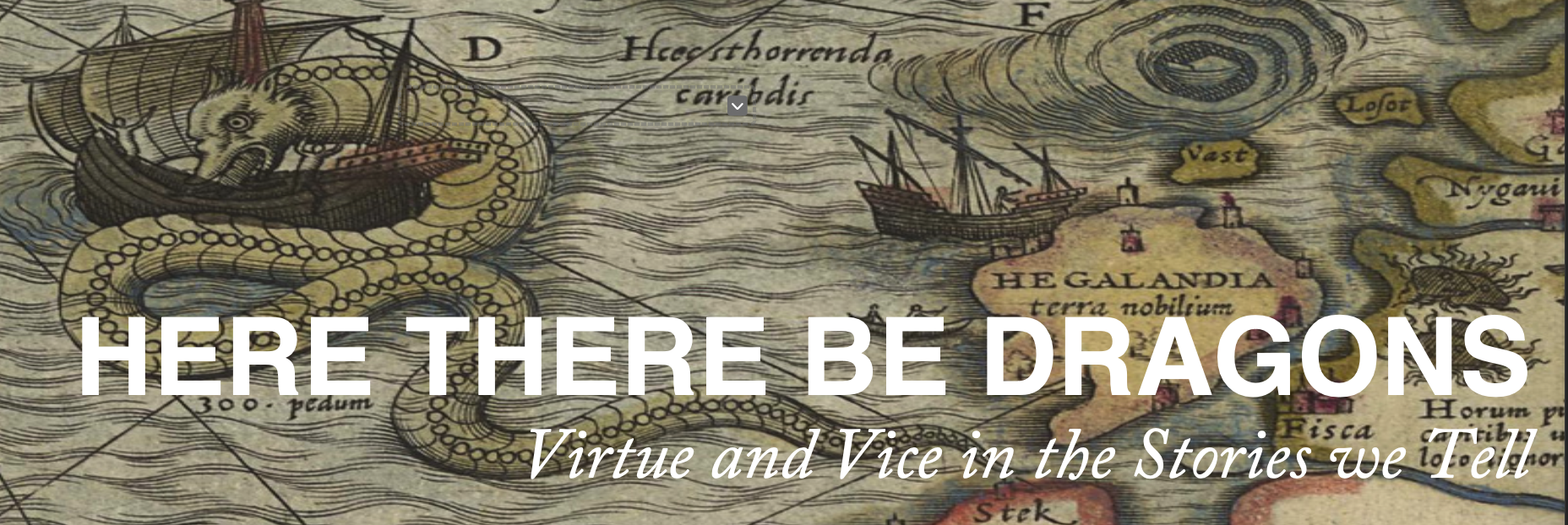
Thrilled to be teaching Here There Be Dragons this academic year to a group of Logic School students. Classical moral theology combined with an exploration of what it means to live a life of purpose and adventure cleverly disguised as an elective course about literary dragons.
“For by the Father’s hands, namely the Son and the Holy Spirit, man—and not part of man—is made to the image and likeness of God. … [it is] the mingling and the union of all these [the soul and body and mind] that makes the perfect man.”
St. Irenaeus of Lyons
Fairy tales do not give the child the idea of the evil or the ugly; that is in the child already, because it is in the world already. Fairy tales do not give the child his first idea of bogey. What fairy tales give the child is his first clear idea of the possible defeat of bogey. The baby has known the dragon intimately ever since he had an imagination. What the fairy tale provides for him is a St. George to kill the dragon.
G.K. Chesterton
O God, the protector of all who trust in you, without whom nothing is strong, nothing is holy: Increase and multiply upon us your mercy; that, with you as our ruler and guide, we may so pass through things temporal, that we lose not the things eternal.
“To write well and speak well is mere vanity if one does not live well.”
St. Bridget of Sweden
Note to self: There are enough hours in the day. You would not thrive if there were more. If you cannot get it all done in a day, perhaps you were not designed to get it all done in a day. Turn off the screen. Smell the outside. Wrestle a small child. And then start again tomorrow.
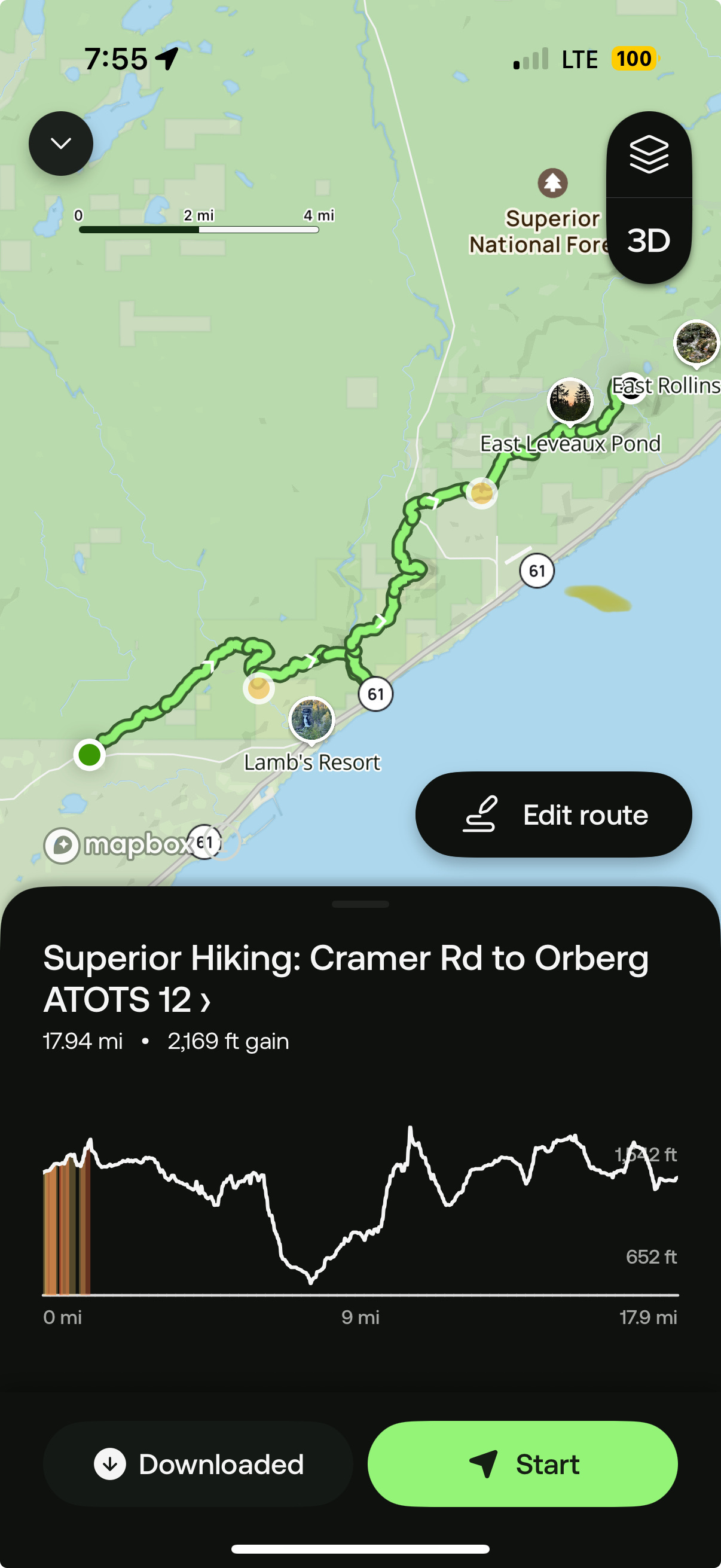
Off the grid for the weekend. Very much looking forward to the 12th Adventure Trip of The South. We have clearly bent what we mean by South, but not Adventure.